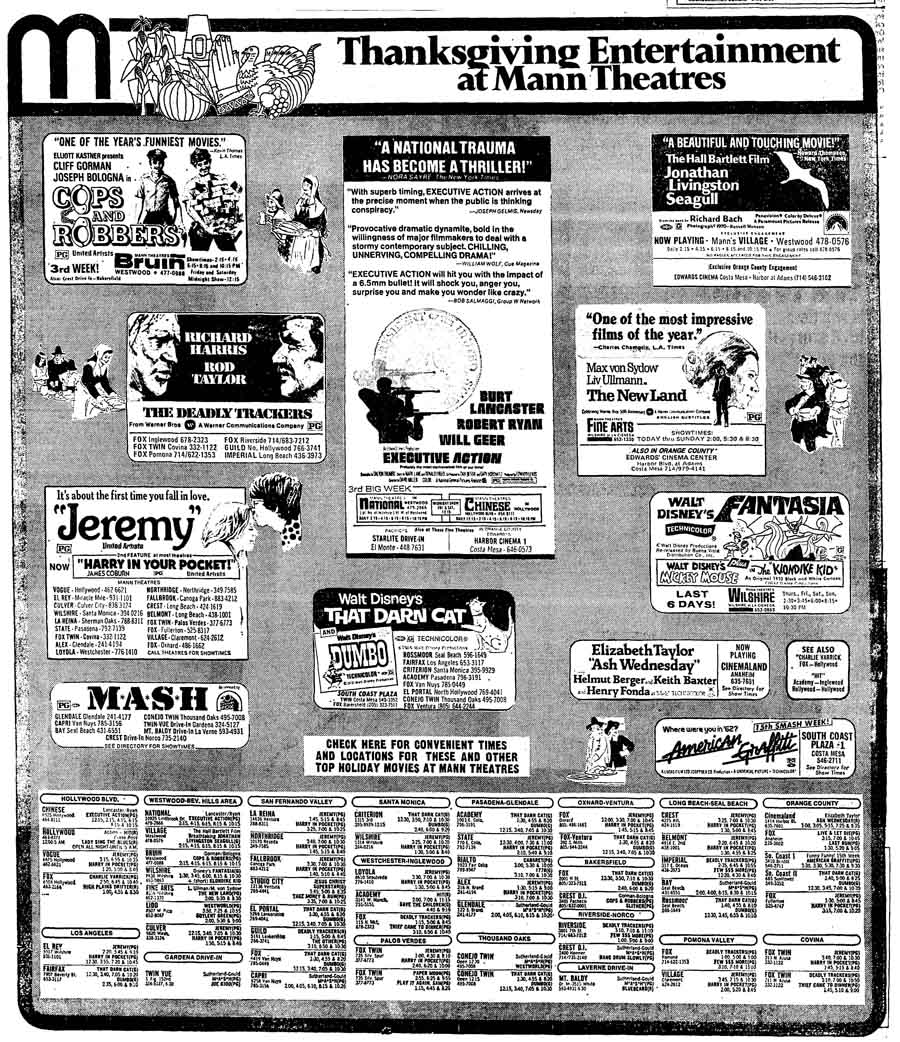
In recognition of the holiday weekend, we feature the first Mann Theatres Thanksgiving print advertisement. Fresh off the purchase of National General, the newly rebranded chain was still reflective of its’ National/Fox/Fox West Coast past at the time; dominated by aging single/twin screens and lacking the modern multiplexes that would soon become the company’s hallmark. The ensuing decade would hold some dramatic changes in store for the chain pictured; this advertisement capturing the proverbial “calm before the storm”.
Back in the 1960’s Los Angeles saw a surge in “Adults Only” theatres hitting the landscape. Initially featuring more exploitation and European “art” titles, than true explicit content, the burgeoning “adults only” business model proved to be a windfall for aging and displaced cinemas. In short order, theatres which had been left behind by mainstream audiences, found new life with those in search of more salacious content. In turn, theatre operators quickly discovered that the further they pushed the envelope, with increasingly graphic films, the greater their box office returns. By the 1970’s, public opinion and legal hurdles had loosened just enough to create a grey area for adult venues to thrive within; resulting in a plethora of, formerly struggling, theatres converting to explicit programming and low rent storefronts being repurposed as adult cinemas.
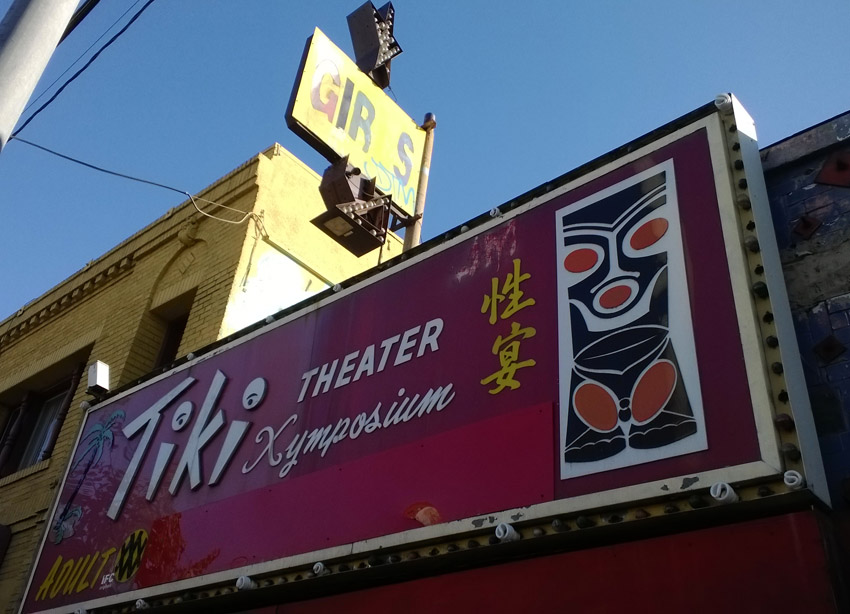
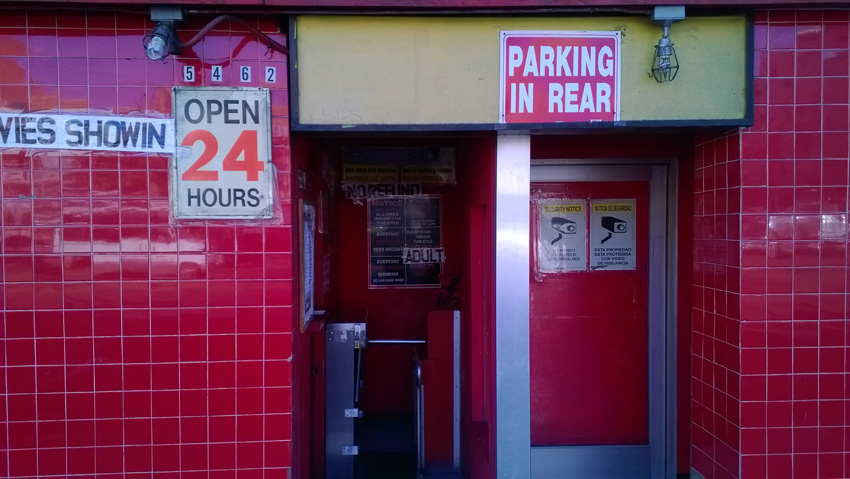
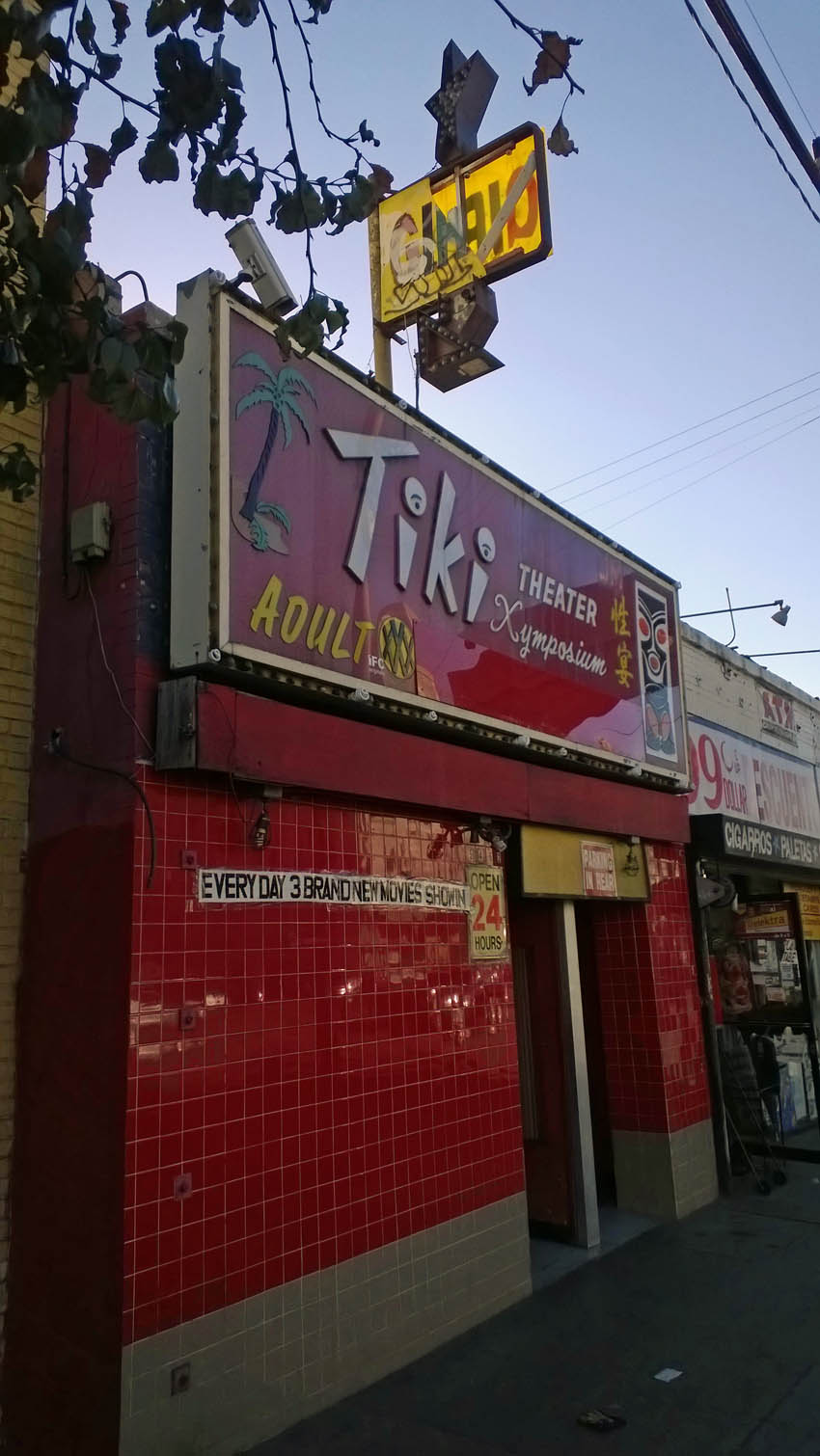
Amid this adult “gold rush” backdrop, a former market and liquor store space, located at 5462 Santa Monica Blvd, opened as the generically branded “Mini Theater”, on November 5, 1969. Originally featuring live strip shows, along with “continuous adult features”, the fifty-seat venue was dark, sparse, and barely larger than a typical living room. However, nobody was venturing through the turnstile entry in search of grandeur or amenities. Following a remodel and rebranding, as the “Tiki Theater Xymposium”, seating was reduced to thirty “luxury” rockers and the live entertainment was phased out. In the mid 80’s, the Tiki’s 16mm projectors were cast off in favor of video projection, but the adult cinema “gold rush” was already winding down with the rise of home viewing options.
By the new millennium, the scores of full-fledged adult theatres and makeshift storefront cinemas (some estimates list in excess of 800 adult film venues as having existed nationwide by 1979) had all but vanished. Yet, against all odds, the Tiki Theater somehow managed to survive. As of 2021, the Tiki is the only straight adult cinema still operating in Los Angeles (the gay oriented Studs Theater being the only other adult cinema in operation). Despite being out of step with the times and, seemingly, offering nothing desirable as a business, the Tiki’s bright red storefront has become a kitschy piece of LA culture/history. From making headlines as the site of comedian Fred Willard’s 2012 arrest for committing a lewd act, to regularly popping up as the subject of professional and social media photo shoots, the Tiki Theater Xymposium continues to draw attention after fifty-one years, as the final marker of Los Angeles’ “Adults Only” past.
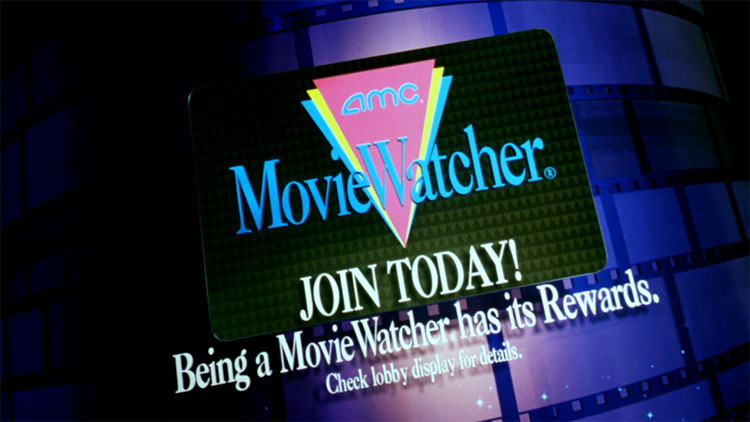
Today’s picture is from a late 1990’s policy trailer for AMC’s MovieWatcher. For those who don’t remember MovieWatcher, the program was similar to present day rewards programs (AMC Stubs, Regal Crown Club, etc), but much more streamlined/basic than modern day equivalents.
Back in the 90’s and early 00’s, patrons submitted a form with their contact information to the box office and were issued a plastic membership card; initially the card was white, but a black color scheme (pictured above) was adopted in the mid 90’s. Once their personal information was entered in the system, members could have the card swiped with ticket purchases and earn rewards (free small popcorn, free small drink, free movie ticket) through a tiered point system. Additionally, Wednesdays were designated “Movie Watcher Wednesday”, with every member receiving a free small popcorn. When members hit a specific point milestone or attended a Wednesday screening, a coupon printed with their ticket, and they simply redeemed the slip for the corresponding reward. While lacking the upsizing, upgraded (paid) memberships, discounts, and elaborate point systems, of modern rewards programs, MovieWatcher was extremely popular in its’ day.
Beyond the simplified mechanics of MovieWatcher, I also recall the program being conducted in a somewhat casual fashion, internally, at AMC. Viewed as more of an added perk for regulars, than marketing tool or data harvester, there was rarely any serious push to engage patrons in the program. However, in the Spring of 2011, MovieWatcher was replaced by Stubs and corporate began to take a keener interest in the value of their rewards program; closely monitoring data and implementing aggressive sign-up quotas for theatres (hence, the barrage of sales pitches one experiences today).
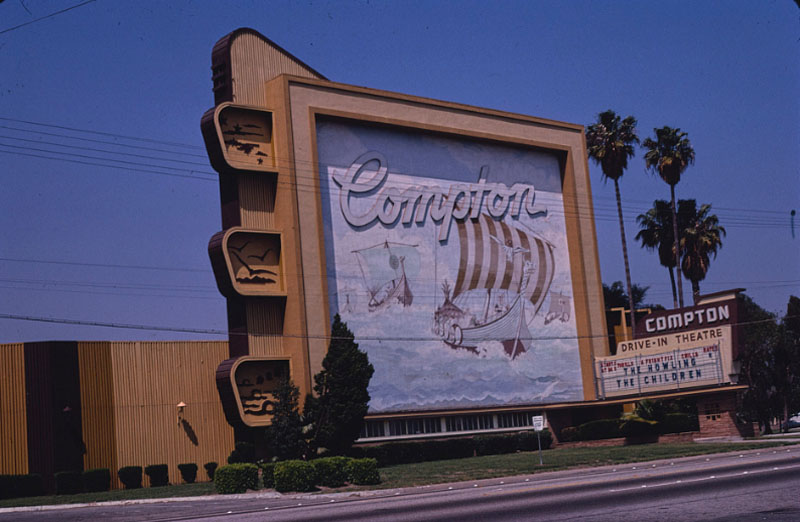
Opened in 1949, by Ted Mann (later of Mann Theatres fame) and operated by Pacific Theatres for some forty-five years, the Compton Drive-In was a community showpiece for decades. The 1,196 capacity lot and Viking ship screen tower mural set the stage for generations of moviegoing memories. However, today’s memory comes from the venue’s wanning years, when the lot full of families had given way to a different sort of crowd and wholesome fun had been supplanted by questionable activities.
Back when I was managing a theatre in La Mirada, one of my veteran staff members was an individual who had worked at the Compton Drive-In during the venue’s final few years. Having never worked at a drive-in myself, I was naturally curious about what the experience had been like and inquired about his time at the Compton. While I was ready to hear some tales of catching amorous couples and various automobile mishaps, I was generally expecting the sort of bygone americana we have come to associate with drive-ins, memories of a golden age. His reflections didn’t quite live up to my expectations.
After sharing a few stories about how often the police were called and weekly vandalism repairs, he turned to more personal reflections. Among his many duties at the drive-in was patrolling the lot for inappropriate behavior. The general idea being that when he came across a couple becoming a bit too romantic or someone enjoying something a tad stronger than soda, he was supposed to shine his flashlight into the offending vehicle, as a warning to “knock it off”. Unfortunately, the days of patrons feeling embarrassed about being caught and scrambling to rectify their misstep had passed. Instead, the most frequent response, during his tenure, was for the individuals to become hostile and, far too often, rob him under the threat of violence. He stated that this became such a regular occurrence he decided to try leaving his wallet in the office one night. The result being that he was instead robbed of his shoes and pants. To compound matters, at the end of his shift, our bottomless theatre worker discovered that his car had also been stolen over the course of the evening. Suffice to say, his memories of the drive-in experience proved to be anything but recounting the “good ol’ days”.
The Compton Drive-In closed in January of 1995 and was utilized as a church, before being razed to make way for housing. As with most things which have passed, there is a natural tendency to create an idealized image of a place like the Compton Drive-In, focusing on a “golden age”, as if that made up the whole of the story. Yet, few stories are truly that perfect or straight forward.
Tags:Comments Off on A Less Than Golden Memory of The Drive-In
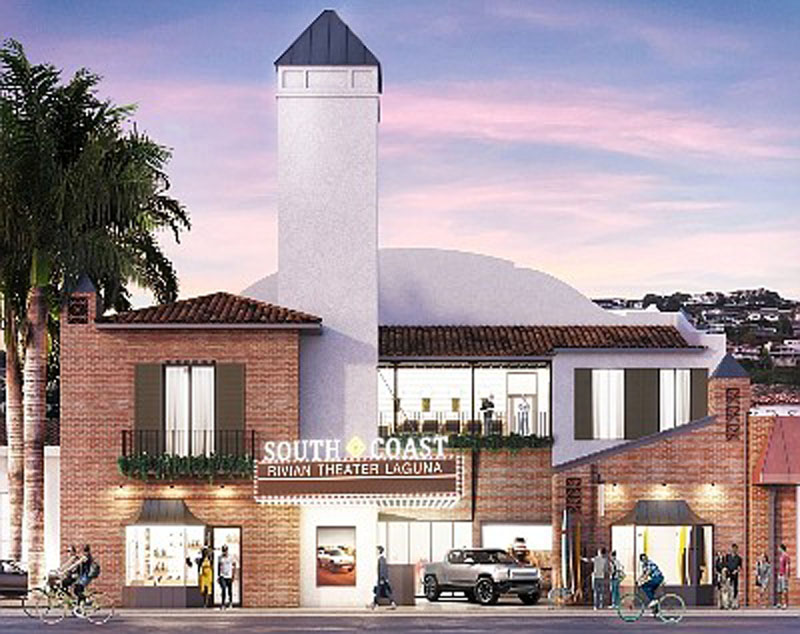
The Laguna Beach Planning Commission recently approved plans to renovate the long shuttered South Coast Theatre. Now slated for a late 2021 reopening, the plan calls for a partial repurposing to a film, live theater, meeting, and electric car showroom space. The current 653 seat twin configuration will be returned to a single auditorium, but with a modest 127 seats. Additional alterations will include converting the second-floor projection booth and storage areas into conference rooms, skylights, an elevator, and redesign of the lobby. While the original stage, proscenium, and star shaped auditorium lighting fixture will be restored, the Laguna Beach Historical Preservation Coalition has voiced objections that the project doesn’t maintain enough of the theatre’s historical elements, stating “What is proposed is too much for a building whose historic significance is intimately connected to its history as Laguna’s main and, for many decades, only movie theater and to its association with a family whose business was bringing the movies to Laguna.”
The project will be carried out by Rivian, an Irvine based electric car manufacturer (hence the inclusion of a two-vehicle showroom in the reconfigured lobby). Rivian has stated the theatre will host up to two movie screenings a week and be available for quarterly guest speaker/live events. However, the bulk of the theatre’s planned usage appears to be oriented around the company’s business activities.
Tags:Comments Off on A New Life For The Laguna South Coast
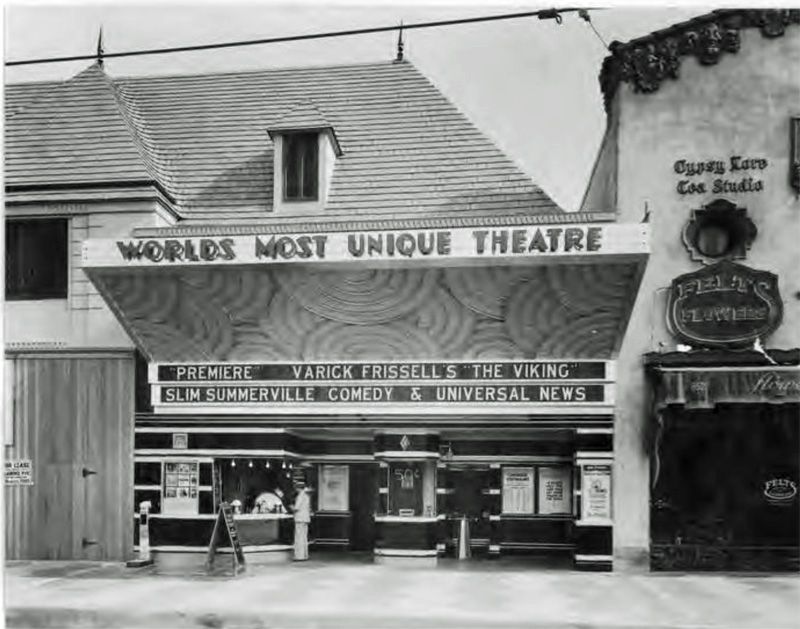
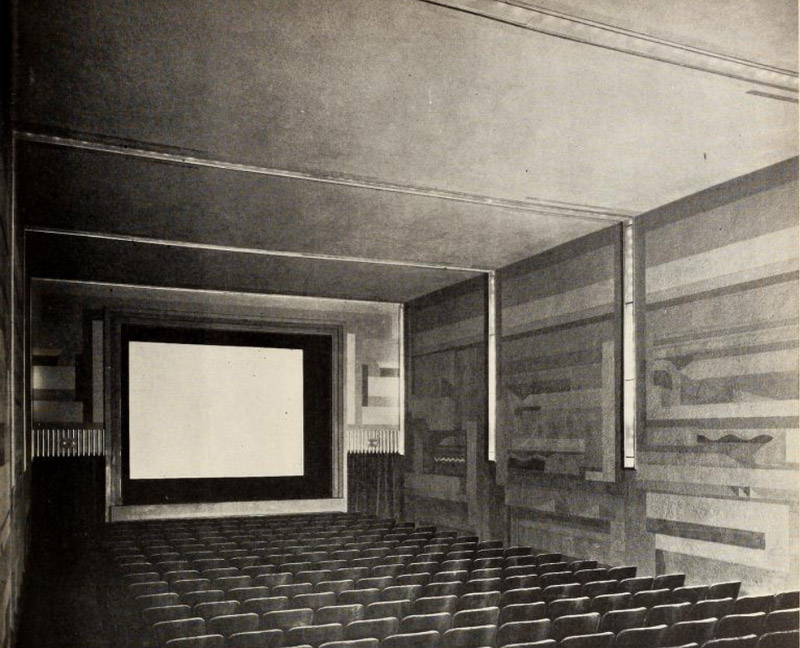
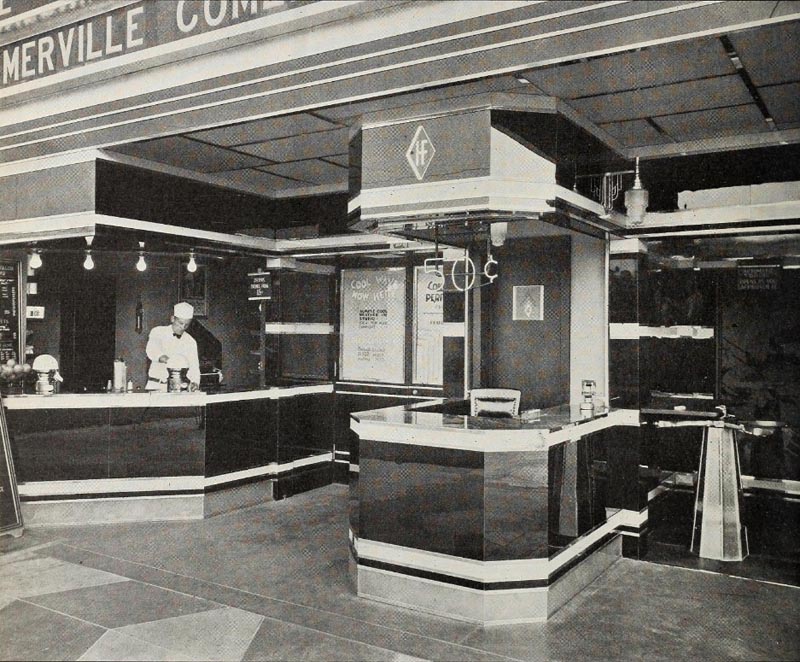
In July of 1931, a theatre opened on Hollywood Boulevard with the bold prediction that it would “flame a revolution in film presentation.” Financially backed by business tycoon Howard Hughes, designed by renowned architect S. Charles Lee, and utilizing operations concepts which were decades ahead of their time, the theatre was among the first to openly challenge the grand movie palace ideal; perhaps, the first “modern” cinema, which predicted much of what awaited movie going in the latter half of the twentieth century. Yet, this theatre failed to flame any revolution, closing in less than a year and disappearing into historical obscurity. The Studio Theatre is the subject of our latest Forgotten Cinema.
The story of the Studio Theatre begins in late 1930, when Howard Hughes, fresh off the box office success of “Hell’s Angels”, sought to create his own cinema chain. Partnering with former Fox West Coast executive Harold B. Franklin, the two formally launched the Hughes-Franklin Company in January of 1931. Backed by Hughes’ immense wealth, the new circuit went on a nationwide buying and building spree, with plans to operate 200 to 300 theatres within two years. By March, Hughes-Franklin already owned 125 venues, in eight states, and had commissioned famed cinema architect, S. Charles Lee, to design a new run of theatres. Among the mostly traditional sites on Lee’s docket was one experimental theatre, which aimed to test a new course in film presentation.
Located in the heart of Hollywood’s, then new, cinema epicenter, the Studio Theatre was promoted as the “world’s most unique theatre.” Intended as a counter to a perceived overindulgence, which had become the movie theatre standard of the day, the Studio was to place the focus “back on the pictures”. Forgoing the cavernous and opulent design of the nearby Egyptian and Chinese theatres, the Studio repurposed a retail property into an intimate 303 loge seat venue, with streamlined modern décor. Taking a que from Hughes’ interest in new technologies, the Studio featured automated sliding front doors (utilizing a pressure sensitive floormat), self-serve concession vending machines, a bill changing machine, and “whispering display cases” which provided film information via prerecorded messages. Additional “mechanical wonders” included a photobooth, automated drinking fountain (activated with an “electric eye” photocell), and an air-conditioning “weather factory” which was visible through a floor window.
While the assorted “world’s first” technologies may have been more marketing than innovation (several had already been introduced by the rival Trans-Lux chain), the true “revolutionary” and “unique” attributes of the Studio were found in the theatre’s efficiency. The streamlined facility design had allowed for the theatre to be built and opened in a matter of months, at a fraction of the cost seen with traditional cinemas (a design concept which also addressed the “white elephant” issue we covered in an earlier post). In turn, this design and the highly promoted automation technologies resulted in the Studio requiring as few as three people for operations (cashier, hostess, and projectionist), as opposed to the legions which had become standard practice elsewhere. Abandoning the prologs, intermissions, and stage shows of movie palaces, the Studio was able to schedule more daily screenings; aided further by the facility, which allowed for a quicker turnaround time between shows. Where even small-town movie houses regularly scheduled around extended gaps between shows, the Studio was purported to only be limited by the length of time it took audiences to exit/enter the auditorium. The theatre also included a work around for the “dead time” business lull during screenings, via a soda fountain which opened to the sidewalk, allowing for continuous concession sales. In general, the business model was based on cutting expenses and increasing revenue streams, through a focus on efficiency of operations; a seemingly standard practice by modern standards, but one which was unique in the era of over-the-top showmanship and grandeur.
While unintentional, a secondary “ahead of its’ time” feature could be found in the criticism the theatre faced from an assortment of industry and media figures. Dubbed as “classless” and the potential “death knell of cinema cathedrals”, there were those who felt the Studio’s approach to movie going cheapened the experience; believing the theatre harkened backwards to storefront nickelodeons, rather than advanced movies as a respectable art form. The glamour and prestige of the grand movie palace was being assaulted by a disposable, “for the masses”, cinema. All quite reminiscent of the chatter which surrounded the multi and mega plexes in the latter twentieth century.
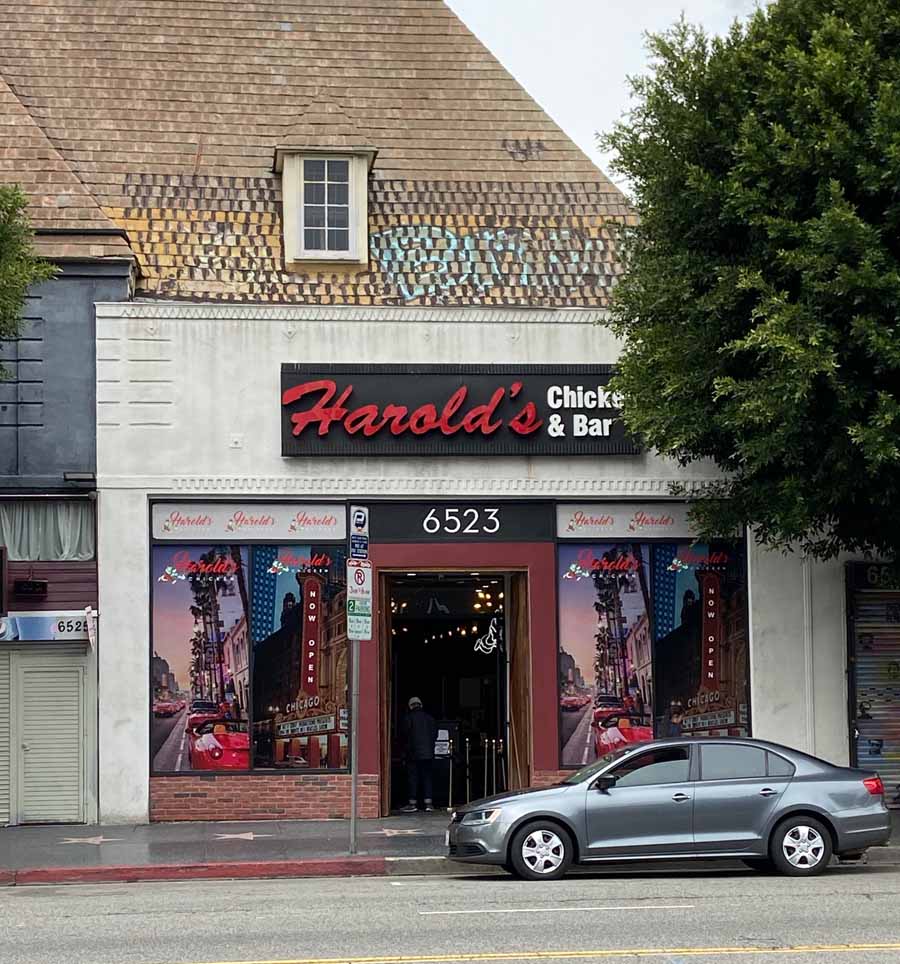
Despite industry criticism, the Studio proved to be an instant hit with moviegoers. Unfortunately, the same couldn’t be said about the Hughes-Franklin circuit as a whole. Mistimed, during an industry downturn and the Great Depression, the chain had quickly turned into a money pit and Hughes sought to cut his losses. In January of 1932, the Hughes-Franklin Company announced that all holdings would be shuttered and/or sold “as soon as possible.” The Studio was later remodeled into a more traditional cinema and rotated through numerous operators over the ensuing fifty years; changing names from the Hollywood Music Hall, to Academy, and finally the Holly Theatre. In 1986, cinema operations ceased for good and the property was returned to retail use. Today, the site serves as the home of Harold’s Fried Chicken.
Tags:Comments Off on Forgotten Cinema: The Studio Theatre
The world of moving making and cinema has never suffered from a shortage of individuals with a “robust” sense of self worth; nor has the industry exactly shied away from self promotion. However, few individuals have taken it to the level of 70’s exploitation/adult film impresario Carlos Tobalina. From shooting films in “Tobachrome” and “Tobascope”, to presenting “Tobaphonic” sound, to crowning himself as “The man with magic” and “The new inspiration”, Mr. Tobalina was anything but subtle when it came to self aggrandizing. We will be taking an in-depth look at the colorful life of this writer/director/producer/theatre owner/international man of mystery in a future post. For now, enjoy a peek at the “wondrous talent of Carlos Tobalina” (note: the “acclaim” listed below was comprised of fictional awards he bestowed upon himself).
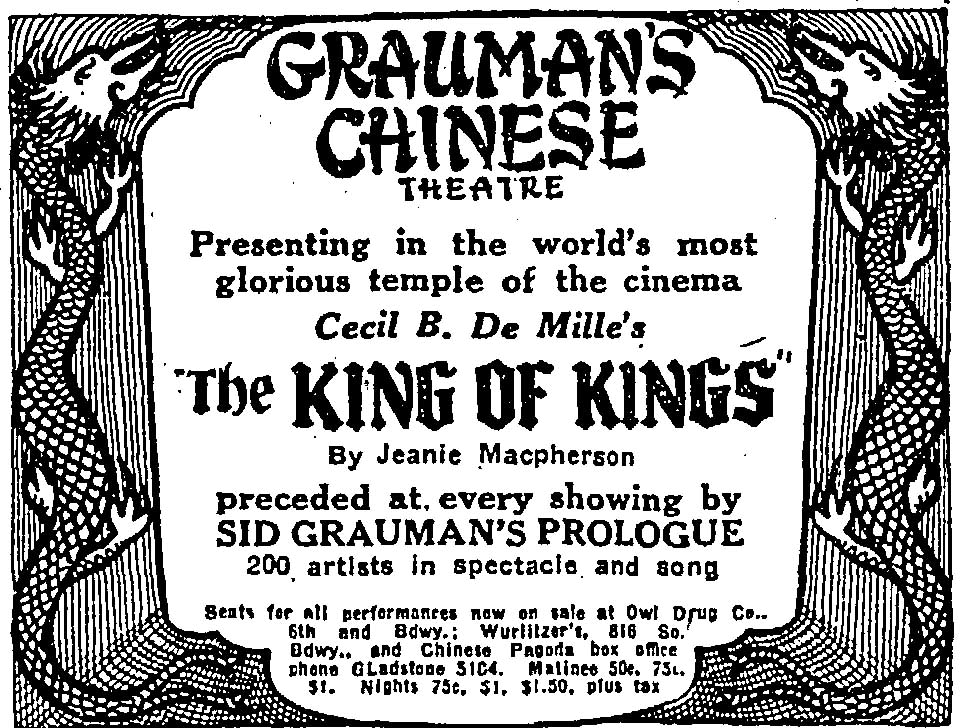
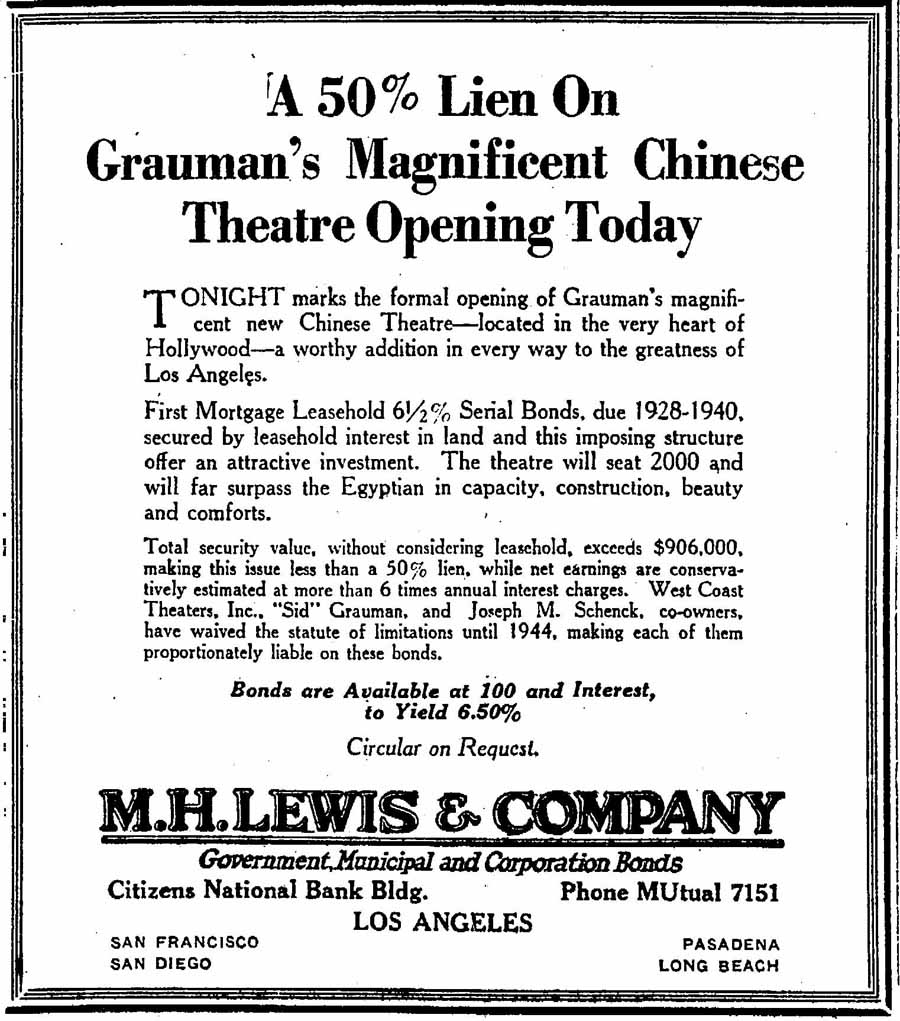
Grauman’s Chinese Theatre celebrated its’ 93rd birthday in silence on Monday (5/18). Hopefully, we will see ” The World’s Most Glorious Temple of the Cinema” celebrate 94 in a more appropriate fashion; full of adoring fans.
On an interesting side note, 93 years ago the public had a chance to buy into the Chinese Theatre, via a bond offering.
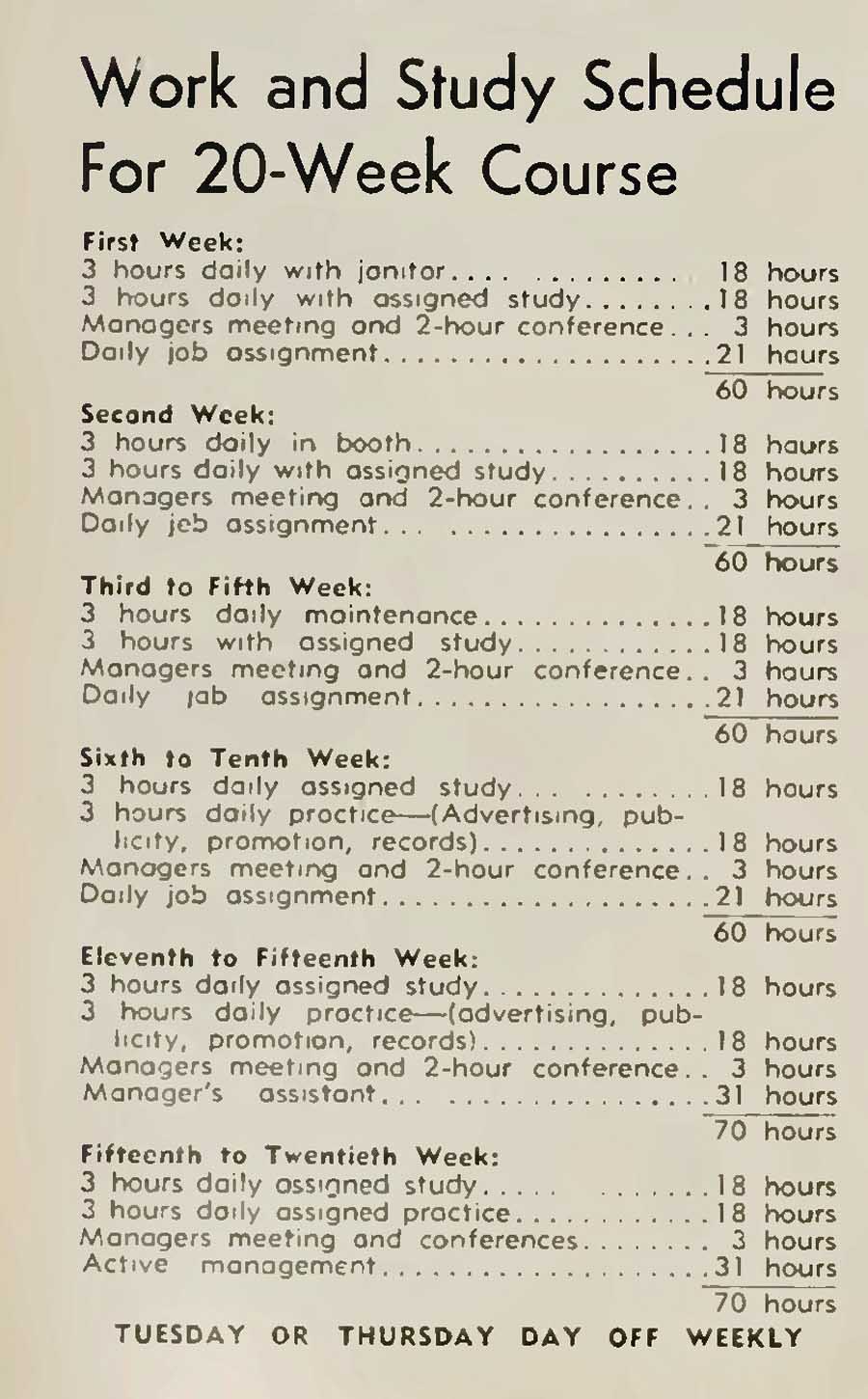
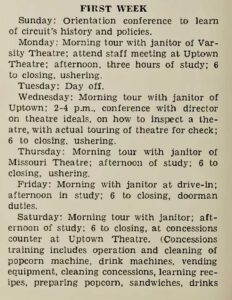
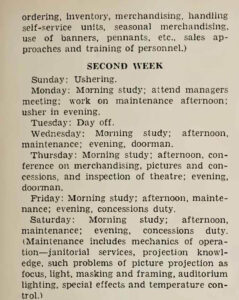
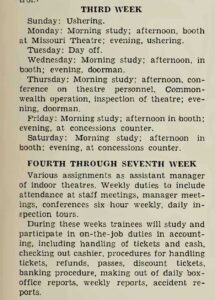
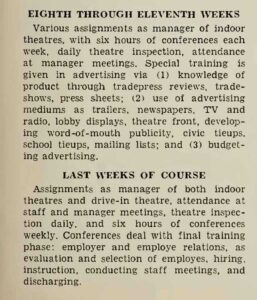
Back in 1958, Box Office Magazine ran an article on, Kansas City based, Commonwealth Theatres’ (bought by United Artists in 1991) “Management College”. The twenty week program was designed to train management candidates from the ground up; providing industry newcomers with a crash course in everything needed to operate a movie theatre and filling in the gaps/refreshing the skill-sets of those who had been promoted from within. Over the course of their studies, the “students” spent time at theatres of varying sizes/business levels and worked with “resident instructors” in all positions; from janitorial/maintenance, to floor staff, to projection, and eventually management. In addition to hands on work, there was also a great deal of study and classroom time interspersed throughout Commonwealth’s program. According to the article, the end result was a greater retention rate and higher quality managers who excelled at their positions.
These formal education programs remained somewhat standard with larger chains up until the past decade or two. Back when I first became a manager in the mid 1990’s, the company I worked for not only had new managers go through a similar schedule (theirs lasted six months), they also ran a continuing education program, which involved quarterly field classes for all managers and an intensive two week residence academy for those who showed general management potential. However, with ever shrinking payroll budgets, most chains eventually phased out “management colleges”, “academies”, and long-term formal instruction. Today’s education programs tend to focus on brief, computer based, virtual “modules” and “learn as you go” on the job training. From my observation, the end result of this shift has been a far lower retention rate and managers with increasingly limited skill-sets.
“Forgotten” would seem to be an unlikely moniker for a cinema directly associated with the most famous movie theatre in the world. However, that proved to be the fate of Mann’s Chinese 2 & 3 (aka Mann’s Chinese Twin). Envisioned as a moviegoing mecca, built as a modern take on a classic, and falling victim to its’ famous location, Mann’s Chinese Twin is the subject of our latest exploration into Forgotten Cinema.
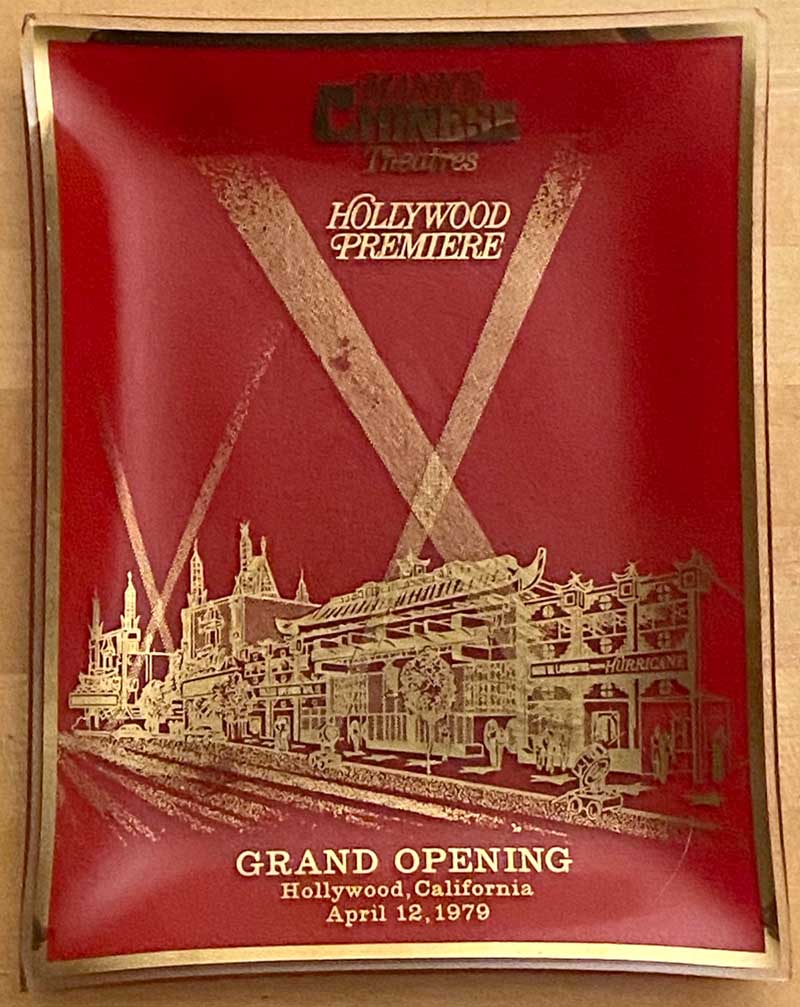
Grand Opening Commemorative Dish
After purchasing the National General theatre circuit in 1973, Ted Mann embarked on an aggressive and somewhat controversial new course for the long struggling company. Rebranding under his name, Mann sought to modernize the ageing chain via new multiplex builds and “plexing” of many classic single screens in the company’s portfolio. Within a few years, this business plan succeeded in turning an underperforming 276 screens into a thriving regional juggernaut of over 400. Yet, there remained one perceived need in Mann’s growing cinema empire. The company’s flagship, rechristened Mann’s Chinese Theatre, did not exemplify this new direction.
Fortunately, Ted Mann both cherished the significance of the Chinese Theatre and recognized that “plexing” the grand venue would be counterproductive. Instead, he proposed building an addition, or sister venue, on the theatre’s eastern parking lot, creating a multiscreen moviegoing mecca. This new Chinese complex would instill an efficient multiplex business model, add modern amenities, and expand on the drawing power of the original theatre. Initial plans called for as many as five auditoriums, replicating a standard Mann multiplex beside the classic palace. However, Mann ultimately chose to “go big” and attempt to live up to the Chinese’s prestigious reputation.
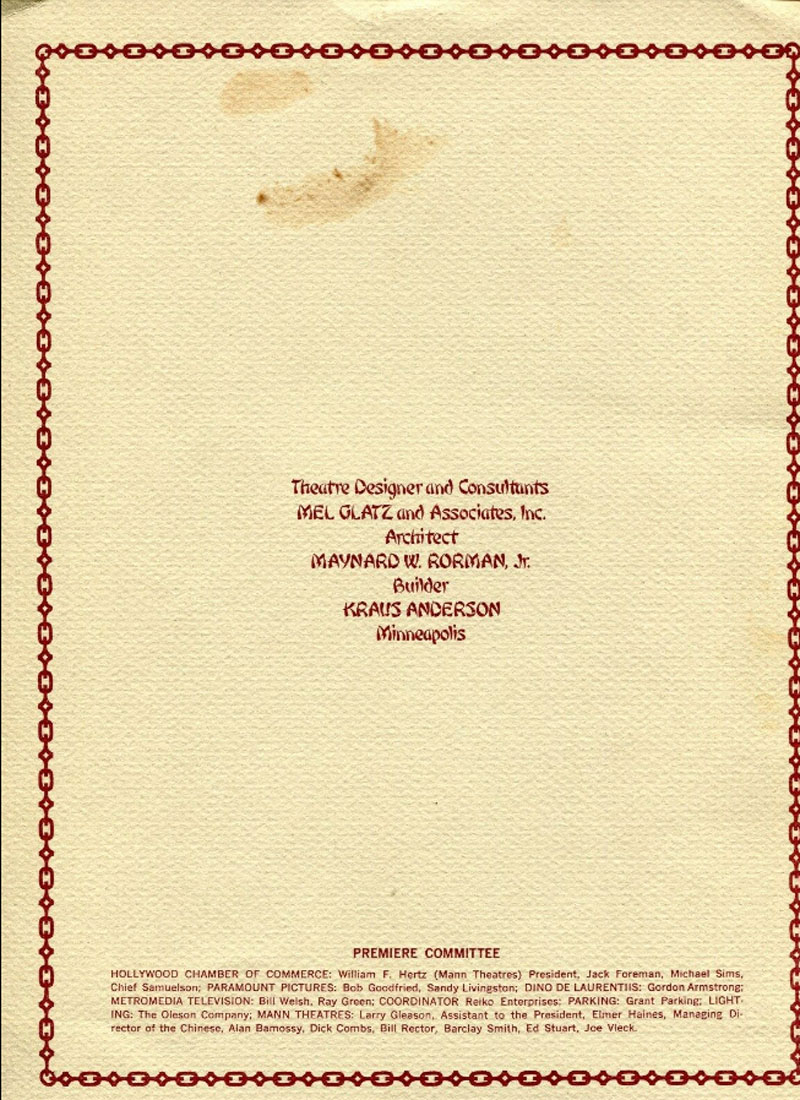
Acquiring the services of noted theatre consultant Mel Glatz, Mann invested $3 million into building a twin plex which would combine the function of modern cinemas with the “flavor” of the neighboring Chinese. The planning stage saw Mr. Glatz spending six months on architectural research and the creation of over forty volumes of notes and sketches. According to accounts from the time, the greatest obstacle proved to be the lack of craftsmen who could duplicate much of what Glatz envisioned, as the skills which had been behind the original Chinese’s artistry were out of feasible financial reach for a contemporary project. In the end, a compromise of modern methods and materials was reached to achieve an artisan look.
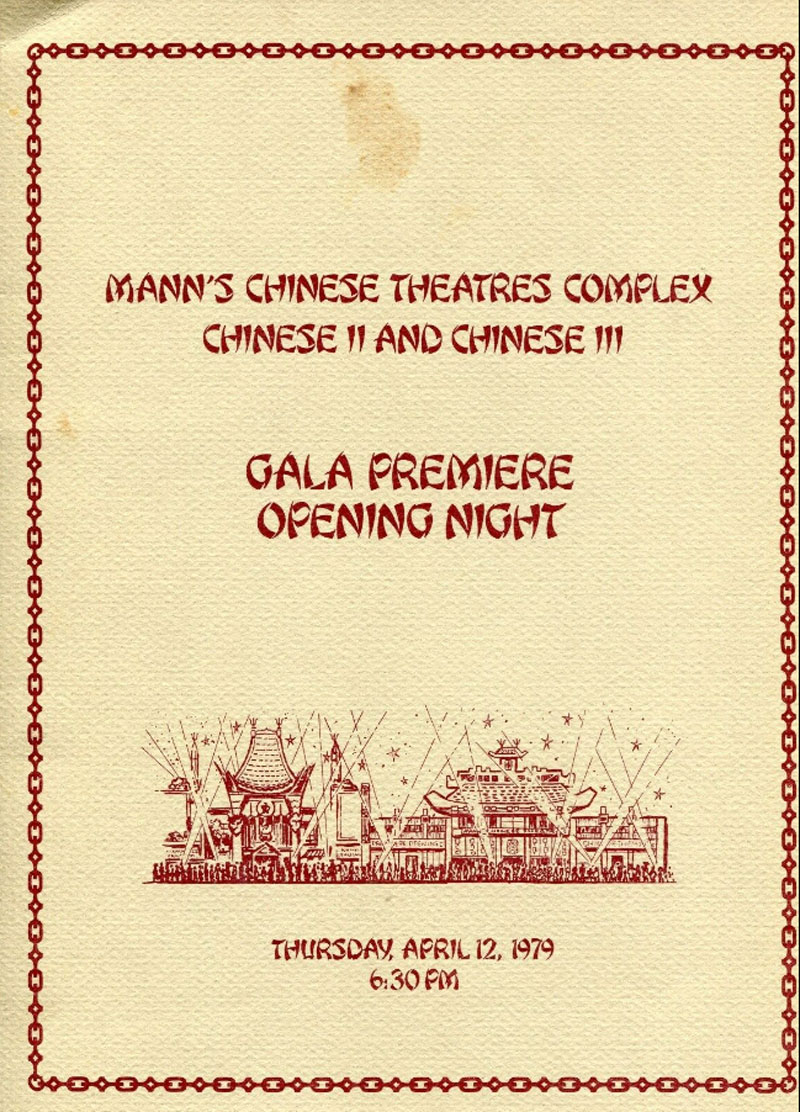
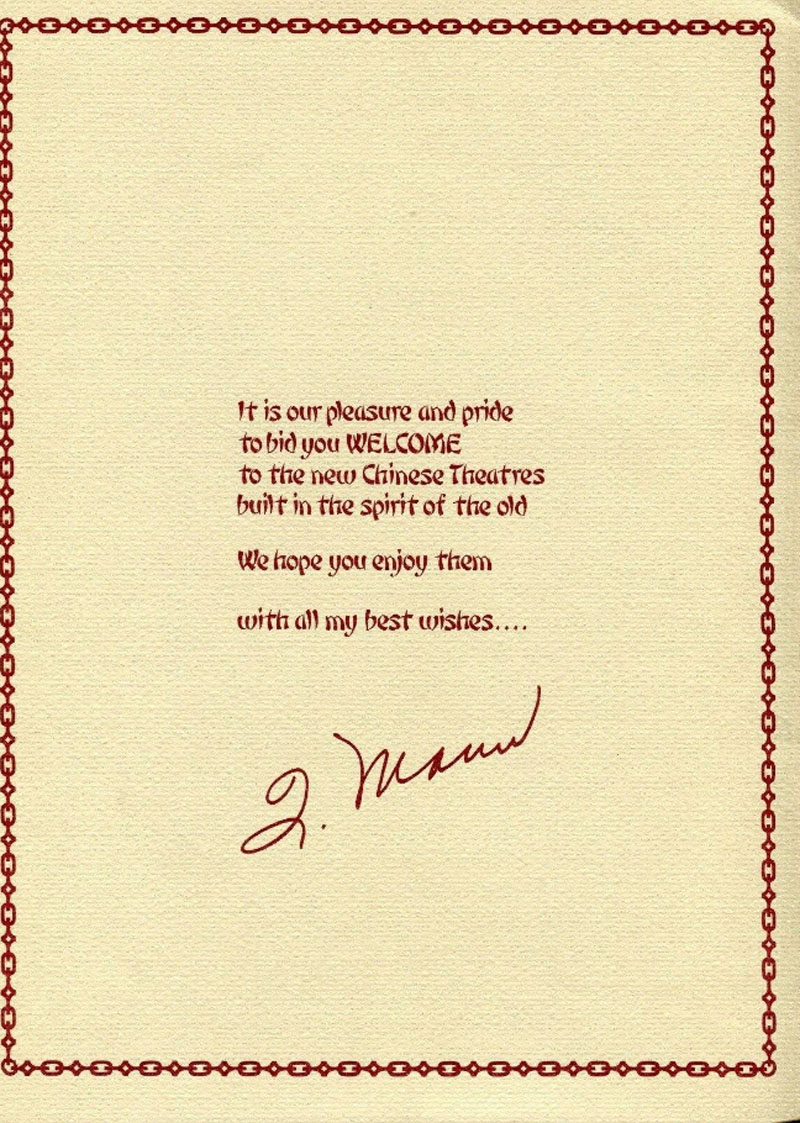
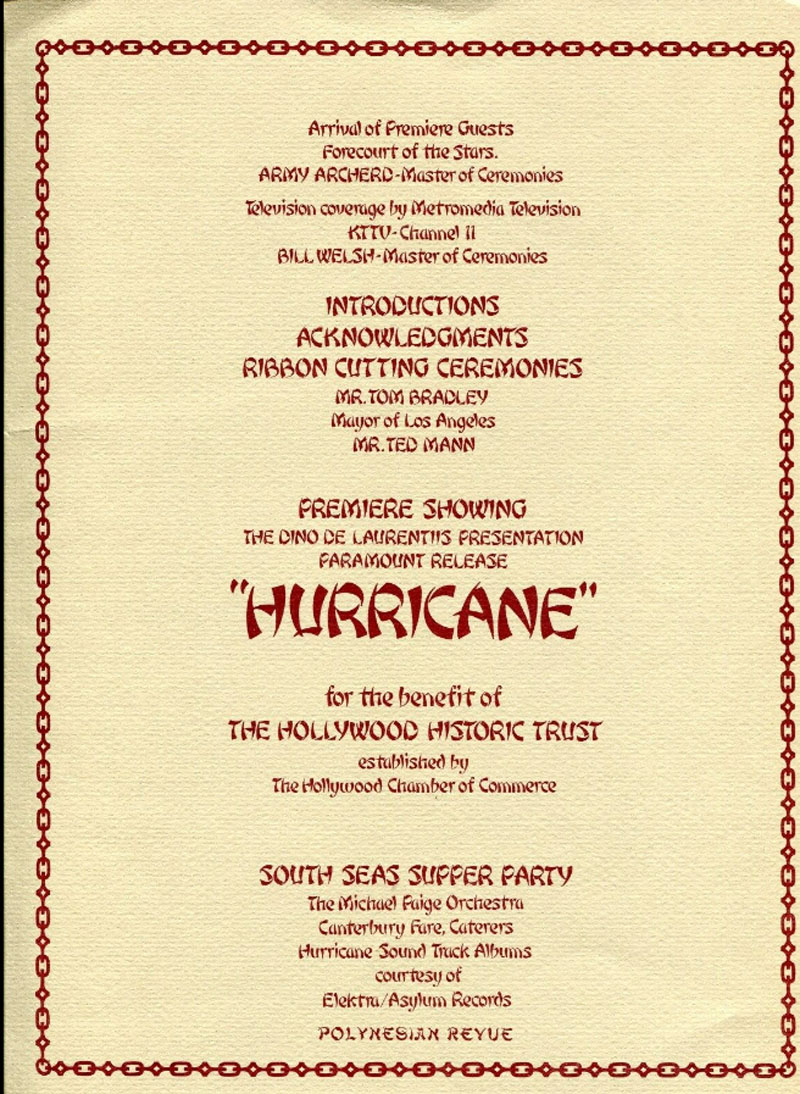
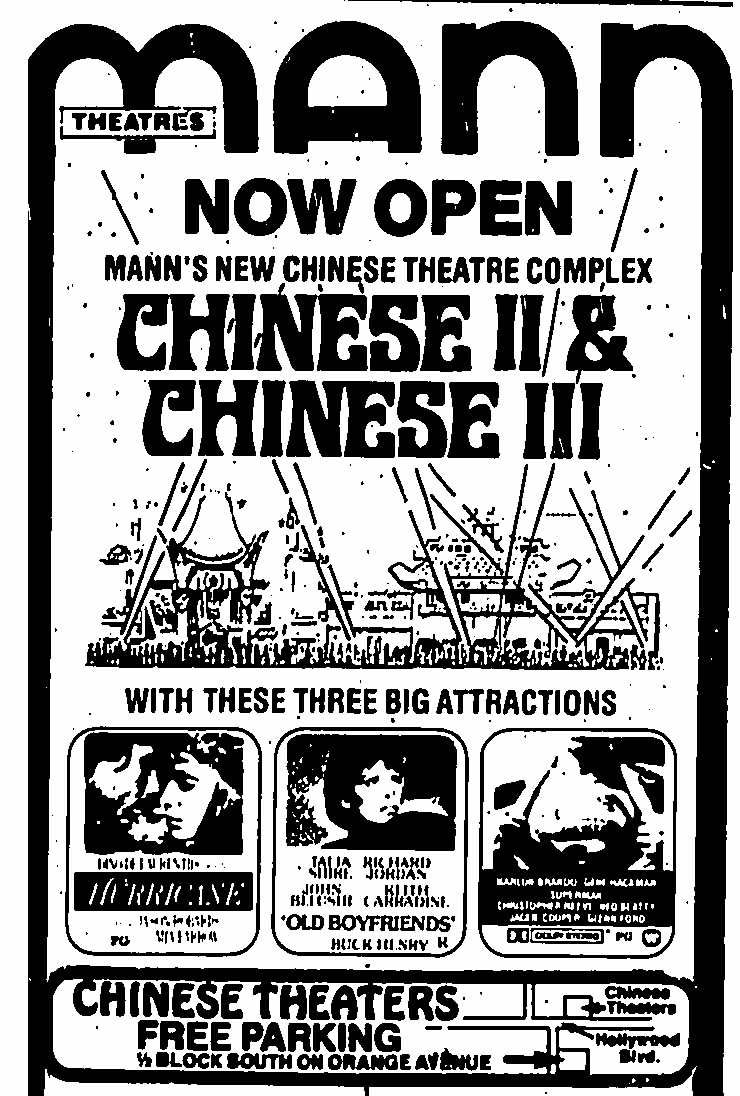
Opened on 4/12/1979, with a $50 per person screening of Dino De Laurentis’ “Hurricane”, Mann’s Chinese 2 & 3 was hailed as a “spectacular blend of new and old”. Featuring 21,000 square feet of floor space, two 750 seat auditoriums (some accounts list 750 & 650), 70mm projection, four & six track stereo with Dolby sound, and “voice of the theatre” speakers, the Twin far exceeded multiplex standards of the day. Honoring the theatre’s heritage, the venue also included hand painted silk murals, decorative lacquered white oak screens, and pewter art panels; to accompany the overall “classic Chinese design adapted to contemporary usage”. Seeking a formal link to the original Chinese, the Twin installed a large glass display enclosure which housed several Grauman artifacts, including some of the 1927 Stubergh wax figures. Reflecting on the spirit of his latest offering, Ted Mann commented, “expansion is our life blood, but history is our soul.”
While launched with much fanfare and, initially, drawing sizeable audiences, the Chinese Twin’s glory days were short lived. Faced with Hollywood Boulevard’s ever worsening reputation and overshadowed by the adjacent Chinese Theatre, the Twin soon fell out of favor with moviegoers. The chaotic daytime tourist scene and evening’s high crime rate deterred locals. Those making a longer trek favored the original Chinese for their effort. In short order, the intended complex came to be viewed as the legendary Chinese and its’ lesser alternative. Finding more success as a site for smaller premieres and special screenings, than as a day to day cinema, the Twin never quite lived up to Ted Mann’s vision for a moviegoing mecca.
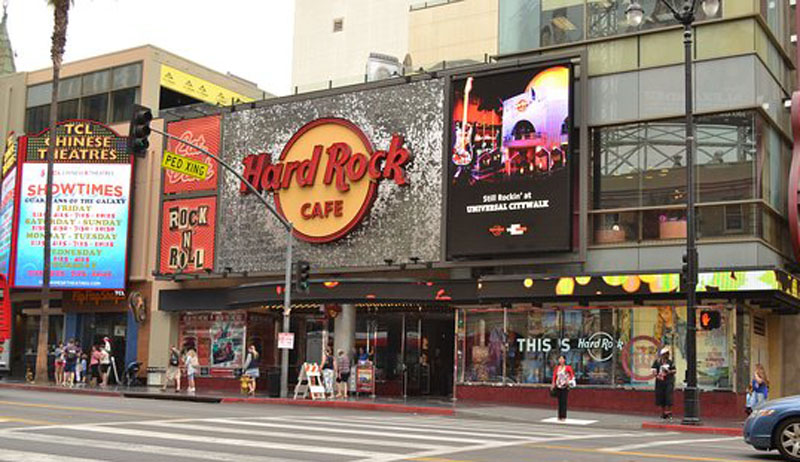
By the close of the 1980’s, Ted Mann had moved on from his namesake chain and a revolving door of new owners initiated a downward spiral of poor decision making. Meanwhile, local civic leaders had turned their attention towards revitalizing Hollywood Boulevard and the Chinese Twin property became a frequent target for redevelopment proposals. As early as 1985, developers had laid out plans for a Hollywood Prominade project to replace the Twin and remaining western parking lot. A latter proposal suggested supplanting the Twin with a shopping plaza and building an IMAX attraction on the western parking lot. Then, in March of 1997, Toronto based Trizec Hahn Corp unveiled plans for a Community Redevelopment Agency backed retail and entertainment complex on the site. Quietly closed and demolished in 1999, the Twin made way for the $385 million Hollywood & Highland Center; the former location of the theatre being the area which now houses the TCL Chinese box office, Hardrock Café restaurant, and, in a bit of cyclical history, the upper level Chinese 6 theatre.
Today, Mann’s Chinese Twin is little more than a fuzzy memory or seldom recounted side story in the history of Grauman’s Chinese Theatre, with even pictures of the venue being somewhat scarce (check out Bill Counter’s site for a few). Intended as a means of capitalizing on the world’s most famous theatre, the Twin was ultimately forgotten under the shadow of that fame.
Tags:Comments Off on Forgotten Cinema: Mann’s Chinese Twin